Science projects have a way of turning abstract ideas into something you can actually see, touch, and understand. Among the most practical and impressive models students can build are a windmill generator and a gas leakage detector. Both are not just classroom experiments—they reflect real-world solutions used in energy production and safety systems.
Let’s explore how these projects work, why they matter, and how you can approach building them.
Understanding the Basics of Renewable Energy
A windmill generator science project ↗ **combination is a great way to showcase both sustainability and safety in one go. Wind energy is one of the cleanest sources of power available today. By converting wind movement into electricity, a simple windmill model demonstrates the core principle of renewable energy.
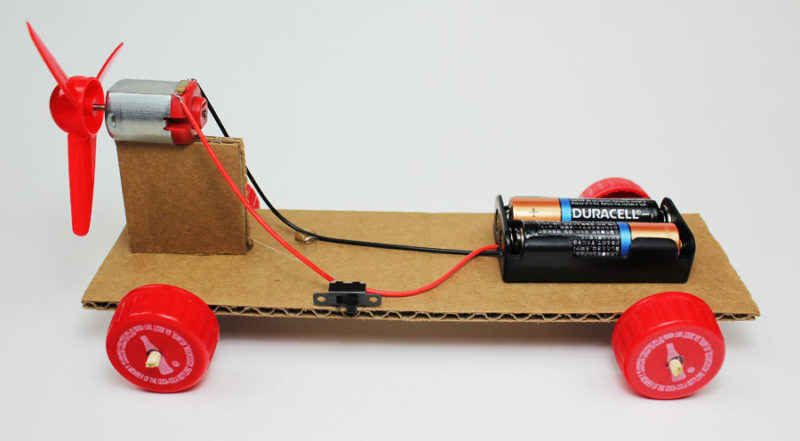 In a school-level project, the windmill typically uses blades attached to a small motor (often a DC motor). When wind—either natural or from a fan—spins the blades, the motor generates electricity. This electricity can be used to light up a small bulb or LED, showing how kinetic energy transforms into electrical energy.
It’s simple, but also kind of fascinating when you see it working for the first time.
Components Needed for a Windmill Generator
To build a basic windmill generator, you’ll need:
- A small DC motor
- Plastic or cardboard blades
- A stand or tower structure
- Wires and an LED bulb
- A base for stability
The setup doesn’t have to be perfect. In fact, experimenting with blade angles and sizes is part of the learning process. Some designs work better than others, and that’s where the real understanding begins.
How a Gas Leakage Detector Works
While windmills focus on energy, gas leakage detectors focus on safety. Gas leaks—especially from LPG or methane—can be extremely dangerous if not detected early. That’s why gas sensors are widely used in homes and industries.
In a student project, a gas leakage detector usually uses a sensor like MQ-2. This sensor can detect gases such as LPG, propane, and methane. When gas concentration increases beyond a safe level, the sensor sends a signal that triggers an alarm or buzzer.
This is where things get interesting—you’re essentially building a system that mimics real-life safety devices.
Key Components for Gas Leakage Detection
A basic detector includes:
- Gas sensor (MQ-2 or similar)
- Buzzer or alarm
- Microcontroller (like Arduino, optional for advanced models)
- Power supply
- Connecting wires
Once assembled, the system continuously monitors air quality. When gas is detected, the alarm goes off—simple, effective, and very practical.
Combining Innovation with Practical Learning
Creating a gas leakage detector ↗ **setup isn’t just about scoring marks. It’s about understanding two critical aspects of modern life—energy and safety.
Think about it. On one side, you’re producing clean energy. On the other, you’re preventing potential disasters. That combination reflects how engineering works in the real world—solving multiple problems at once.
Students who build such projects often gain more than just theoretical knowledge. They learn wiring, troubleshooting, design thinking, and sometimes even a bit of patience when things don’t work on the first try.
Tips for Making Your Project Stand Out
If you want your project to look a little more polished (and honestly, more impressive), here are a few ideas:
- Add labels to each component for clarity
- Use a clean and stable base
- Demonstrate both models live if possible
- Include a small chart explaining how each system works
Even a simple presentation can make a big difference. Judges and teachers usually appreciate clarity over complexity.
Real-World Applications
The concepts behind these projects are not limited to classrooms. Windmills are used globally in wind farms to generate electricity at a large scale. Meanwhile, gas detectors are installed in homes, factories, and commercial spaces to prevent accidents.
When you build these models, you’re actually touching the basics of technologies that power cities and protect lives.
Final Thoughts
Projects like these remind us that science isn’t just something you read in books—it’s something you can build, test, and improve. A windmill generator science project, gas leakage detector setup bridges theory and reality in a way that feels both educational and meaningful.
And honestly, there’s something satisfying about watching a small bulb light up from your windmill or hearing a buzzer alert you to a simulated gas leak. It’s a small moment, but it sticks with you.
If you’re planning your next science project, this combination is definitely worth trying. It’s practical, engaging, and leaves a lasting impression—on you and on anyone who sees it.