When it comes to creating something both educational and exciting, combining theory with real-world application is where the magic happens. That’s exactly why working on a physics project ↗ **model can be such a rewarding experience. It brings together concepts of motion, control systems, and electronics in a way that feels tangible and, honestly, quite fun to experiment with.
Let’s break it down in a way that doesn’t feel like a textbook.
Understanding the Basics of Servo Motors
A servo motor isn’t just any regular motor. Unlike standard motors that simply spin continuously, a servo motor is designed for precise control. It can rotate to a specific angle, hold that position, and adjust based on input signals.
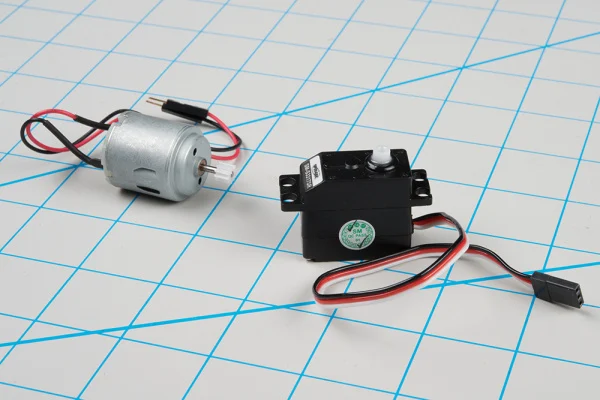 In simple terms, it’s like having a motor that listens carefully and responds exactly the way you want.
Most servo motors operate using three wires:
- Power (usually 5V)
- Ground
- Control signal (PWM – Pulse Width Modulation)
That control signal is what makes it so useful in projects. By adjusting the signal, you can tell the motor exactly where to move.
Why Choose a Servo Motor for a Physics Project?
A physics project, servo motor setup is ideal because it demonstrates several key physics principles in action. Instead of just reading about motion or energy, you actually see it happening.
Here’s what you can explore:
- Angular motion and rotation
- Torque and force
- Feedback systems
- Energy conversion (electrical to mechanical)
It’s also beginner-friendly. You don’t need a massive lab setup—just a few components and some curiosity.
Materials You’ll Need
Before diving into building your model, gather these basic components:
- Servo motor (SG90 is commonly used)
- Microcontroller (like Arduino)
- Jumper wires
- Breadboard
- Power supply
- Optional: Potentiometer or sensors
You can keep it simple or scale it up depending on how advanced you want your project to be.
How the System Works
At its core, the system is all about communication between components.
- The microcontroller sends a signal to the servo motor.
- The signal determines the angle of rotation.
- The motor adjusts its position accordingly.
That’s it. But within this simple loop lies a deeper concept—feedback control. The motor internally checks its position and corrects itself if needed.
It’s kind of like steering a car and constantly adjusting to stay in your lane.
Building Your Model Step by Step
Start by connecting your servo motor to the microcontroller:
- Red wire → Power (5V)
- Brown/Black wire → Ground
- Yellow/Orange wire → Digital pin
Next, write a simple program to control the motor’s angle. Most beginner codes allow you to rotate between 0° and 180°.
Once you upload the code, you’ll see the motor move to different positions. That moment—when it actually responds—is where theory becomes reality.
Creative Project Ideas
If you want to go beyond a basic setup, here are some interesting ideas:
1. Automatic Door System
Use a sensor to detect motion and open a small door using the servo motor.
2. Robotic Arm
Create a mini arm that can pick up lightweight objects.
3. Solar Panel Tracker
Adjust the angle of a panel based on light direction.
Each of these ideas still revolves around the same core concept, but adds a layer of creativity and problem-solving.
Key Physics Concepts Demonstrated
Your project isn’t just about electronics—it’s deeply rooted in physics.
- Torque: The turning force applied by the motor
- Angular displacement: Movement from one angle to another
- Energy transformation: Electrical energy converting into motion
- Control systems: Maintaining stability and accuracy
These concepts are much easier to understand when you can see them in action rather than just reading definitions.
Common Mistakes to Avoid
A few things can trip you up, especially if it’s your first build:
- Incorrect wiring (double-check connections)
- Insufficient power supply
- Wrong signal input
Sometimes the motor won’t move at all, and it feels frustrating. But honestly, that’s part of the learning process. Troubleshooting teaches you more than a perfect first attempt ever could.
Final Thoughts
Working on a servo motor-based model isn’t just about completing an assignment—it’s about understanding how systems respond, adapt, and function in real life. A servo motor ↗ **setup gives you a hands-on way to explore ideas that might otherwise feel abstract.
And somewhere along the way, you stop thinking of it as just a project. It becomes something you built, tested, and improved on your own.
That’s where real learning happens.